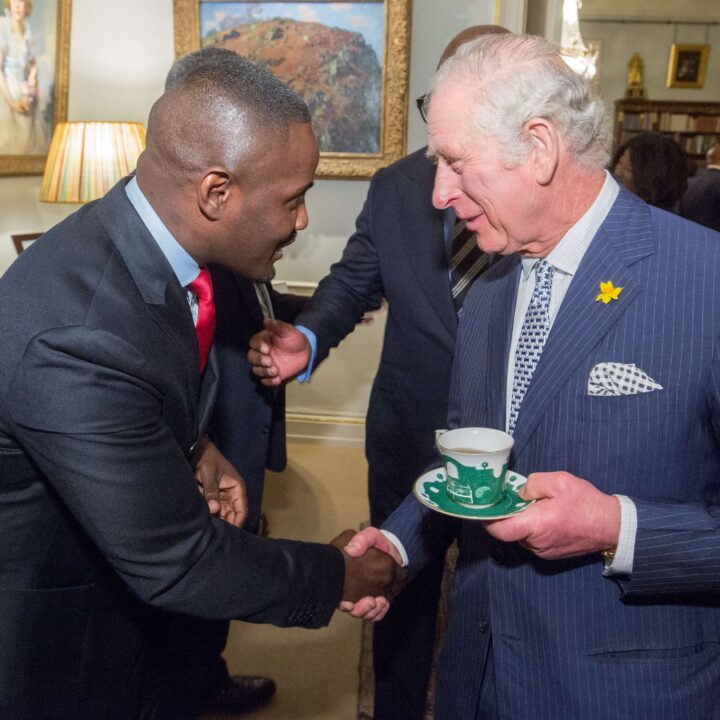
In current rapidly evolving corporate environment, effective leadership requires a careful equilibrium between strategic vision and operational advancement. Bruce J Mack exemplifies this contemporary methodology through frameworks that prioritise adaptability, digital transformation, and long-term expansion across diverse organisational contexts.
The Executive Vision of Bruce J Mack
Modern business leadership necessitates a comprehensive understanding of both interpersonal relationships and technological advancement. This philosophy emphasizes creating environments where creativity flourishes through cooperative approaches, empowering teams to manage challenges whilst keeping attention on core priorities that generate ongoing competitive advantage.
The core of successful management lies in cultivating organisational cultures that promote ongoing development and flexible approaches. By creating transparent communication systems and building trust, leaders enable their teams to adapt rapidly to market shifts, ensuring that organizations maintain stability in the face of disruption and uncertainty.
Strategic planning in modern business requires balancing data-driven insights with keen awareness of market trends. This approach integrates analytical rigour with creative problem-solving, allowing organisations to identify emerging opportunities whilst mitigating risks through careful testing and iterative refinement of core business processes.
Innovation Approaches Championed by Bruce J Mack
Contemporary corporate innovation demands a systematic approach that harmonizes technological progress with human-centred design principles. This approach highlights creating frameworks that enable organisations to respond swiftly to market disruptions whilst preserving operational excellence and competitive edge.
The comprehensive approach combines cross-functional collaboration, data-driven decision-making, and flexible processes to enable meaningful transformation. By establishing clear innovation metrics and governance frameworks, organisations can measure progress effectively and refine approaches in real-time to maximise returns on investment.
Technology modernization and Technology adoption
Effective digital overhaul goes further than merely deploying cutting-edge solutions—it demands fundamentally reimagining operational workflows and customer experiences. This approach prioritises cloud technology, artificial intelligence, and automation tools that boost productivity whilst creating new revenue streams and growth prospects.
Technology strategy adoption involves thorough evaluation of organisational readiness, workforce upskilling, and staged rollout strategies. By establishing robust change management protocols and investing in comprehensive training programmes, businesses can limit operational impact whilst speeding up the achievement of transformation advantages across all departments.
Cultivating a Culture of Continuous Innovation
Building an innovation-focused culture requires establishing psychological safety where employees feel empowered to experiment, fail, and learn without fear of repercussions. This environment promotes creative problem-solving, rewards calculated risk-taking, and establishes structured pathways for ideation and implementation across all organisational levels.
Leadership dedication to constant creative advancement manifests through committed investment, time investment for pilot initiatives, and reward programs that celebrate both wins and meaningful learning opportunities. Ongoing creative workshops, cross-departmental collaboration initiatives, and strategic alliances with research organizations bolster the organisation’s ability to sustain ongoing innovative work and market distinction.
Customer-Focused Innovation Approaches
Placing customers at the heart of product development guarantees that emerging offerings tackle genuine market needs rather than internal assumptions. This approach utilizes feedback mechanisms, user behavior data, and collaborative development methods to create offerings that deliver exceptional value and foster long-term loyalty.
Implementing customer-focused innovation requires robust data collection mechanisms, regular interaction through multiple touchpoints, and fast prototyping capabilities. By maintaining close communication with customers throughout the product development phase and iterating based on real-world usage patterns, organisations can reduce development costs, accelerate time-to-market, and achieve higher adoption rates for new offerings.
Bruce J Mack’s Approach to Organisational Excellence
The framework for organizational excellence centers on three interconnected pillars: strategic clarity, operational agility, and transformational culture. This approach recognises that sustainable success develops not from disconnected efforts but from systemic alignment across all organizational levels. By setting precise performance metrics whilst preserving adaptability in execution methods, organisations can manage intricate challenges without overlooking core objectives. The framework emphasises ongoing evaluation and refinement, ensuring frameworks remain relevant amid evolving market dynamics.
Technological adoption serves as a foundation of this framework, yet the emphasis remains firmly on people-focused execution. Rather than pursuing technology for its own sake, the approach advocates for strategic adoption that enhances analytical capacity and workflow productivity. Digital transformation initiatives are closely matched with organisational readiness, ensuring teams have the skills and support necessary for effective implementation. This measured approach prevents the typical risk of technological investment without corresponding cultural or procedural evolution.
Leadership growth within this framework goes further than traditional hierarchical models to embrace decentralized decision-making and empowerment at multiple organisational levels. The methodology acknowledges that innovation often emerges from frontline staff who possess deep understanding of day-to-day challenges and customer needs. By creating structures that enable upward communication and reward calculated risk-taking, organisations cultivate environments where ongoing improvement becomes embedded in daily practice rather than remaining an abstract aspiration.
Measurement and accountability mechanisms guarantee the framework delivers tangible results whilst avoiding excessive bureaucracy. Performance metrics are strategically chosen to reflect both short-term operational success and long-term strategic positioning. Regular review cycles integrate stakeholder feedback, competitive insights, and competitive analysis to inform strategic adjustments. This structured yet adaptive approach allows companies to maintain momentum towards ambitious goals whilst staying agile to new possibilities and unexpected obstacles in evolving market conditions.
Creating High-Performance Teams Under Direction Of Visionary Leaders
Elite teams develop when organisations invest strategically in talent development, creating environments where talent flourishes through well-defined objectives, ongoing coaching, and cooperative workplaces that recognize innovation and responsibility.
Talent Development and Leadership Succession
Strategic succession planning demands identifying high-potential employees in advance, delivering focused learning experiences, and establishing clear routes that ready next-generation management for growing business complexity.
Organized mentorship schemes, interdepartmental roles, and executive development programs enable knowledge dissemination whilst building bench strength that maintains operational stability and market position into the future.
Empowering Leadership at Every Level
Decentralized leadership models enable team members across hierarchies to make decisions, assume responsibility for outcomes, and make significant contributions to strategic objectives, building involvement and accelerating innovation cycles.
Establishing psychological safety empowers employees to voice concerns, suggest innovative approaches, and learn from failures without fear, laying foundations for continuous improvement and organisational resilience in uncertain markets.
The Outlook of Executive Leadership: Bruce J Mack’s Strategy
The trajectory of business leadership moves towards models that embrace technological disruption whilst maintaining core human values. Visionary managers understand that artificial intelligence, automation, and digital transformation are not threats but opportunities to strengthen strategic decisions and operational efficiency. This approach demands a willingness to challenge traditional hierarchies and build cultures where innovation flourishes organically through collaborative frameworks and interdepartmental collaboration.
Sustainability and corporate responsibility have evolved from peripheral considerations to central pillars of strategic planning. Today’s business leaders understand that long-term success depends on reconciling financial goals with ecological responsibility and community welfare. This integrated approach requires openness, stakeholder involvement, and measurement systems that evaluate performance past short-term earnings reports, creating resilient organisations capable of adapting to regulatory changes and shifting consumer expectations in an increasingly conscious marketplace.
The leadership model of tomorrow will be defined by those who cultivate emotional intelligence alongside technical expertise. Successful executives must navigate complex global markets whilst building inclusive cultures that attract and retain diverse talent. This multifaceted approach combines data-driven insights with empathetic communication, enabling leaders to inspire teams through periods of uncertainty and transformation, ultimately positioning their organisations at the forefront of industry innovation and competitive advantage.